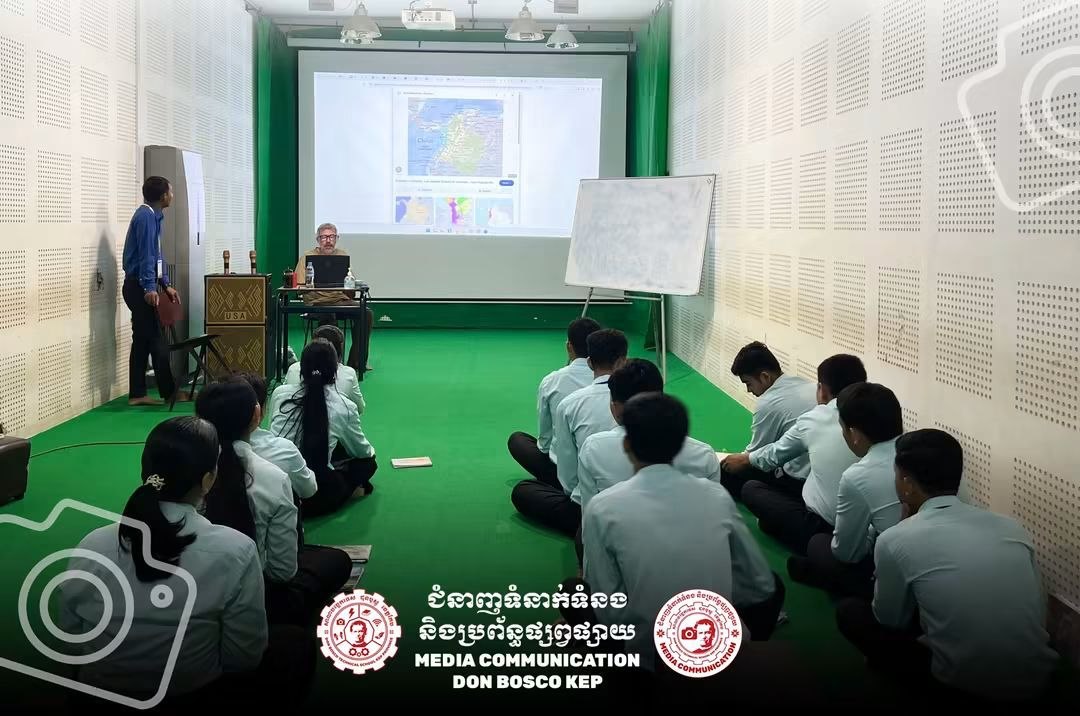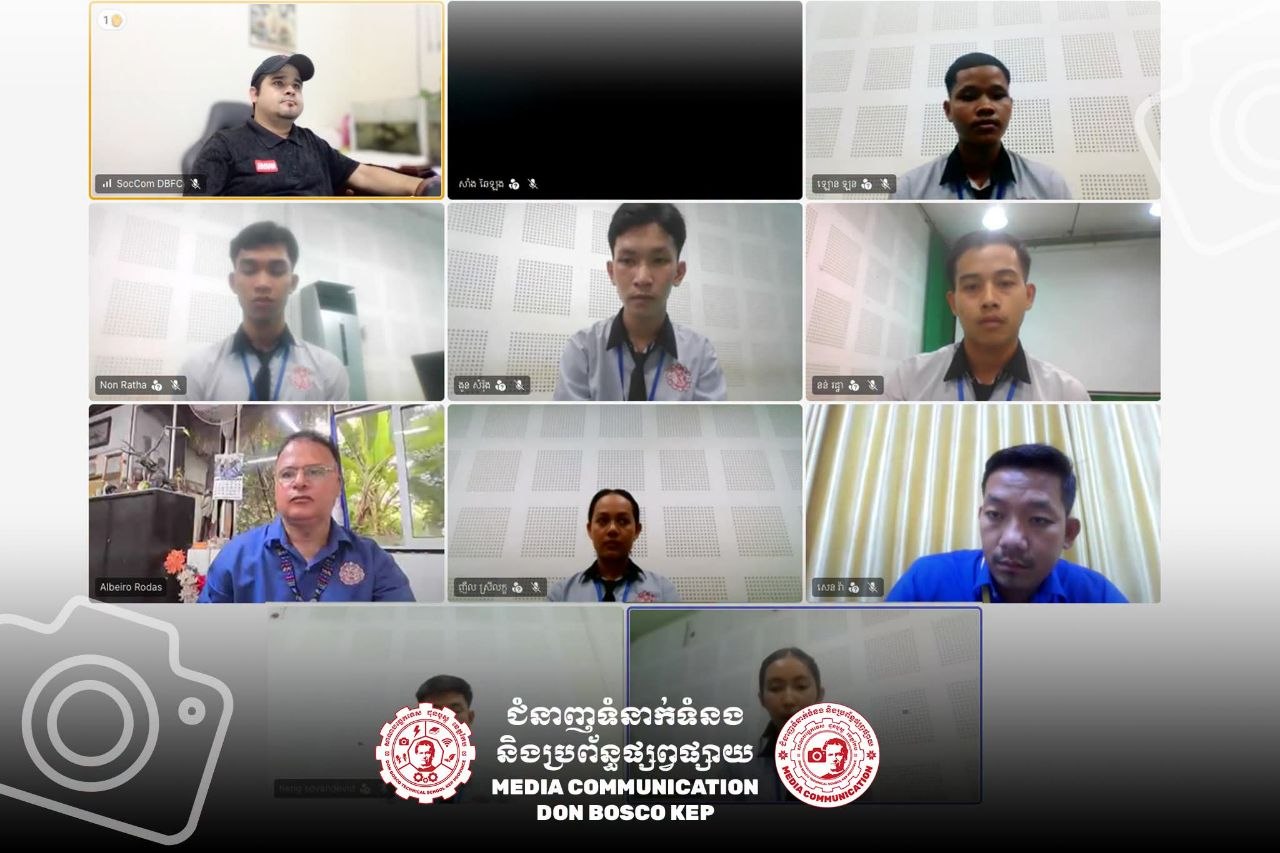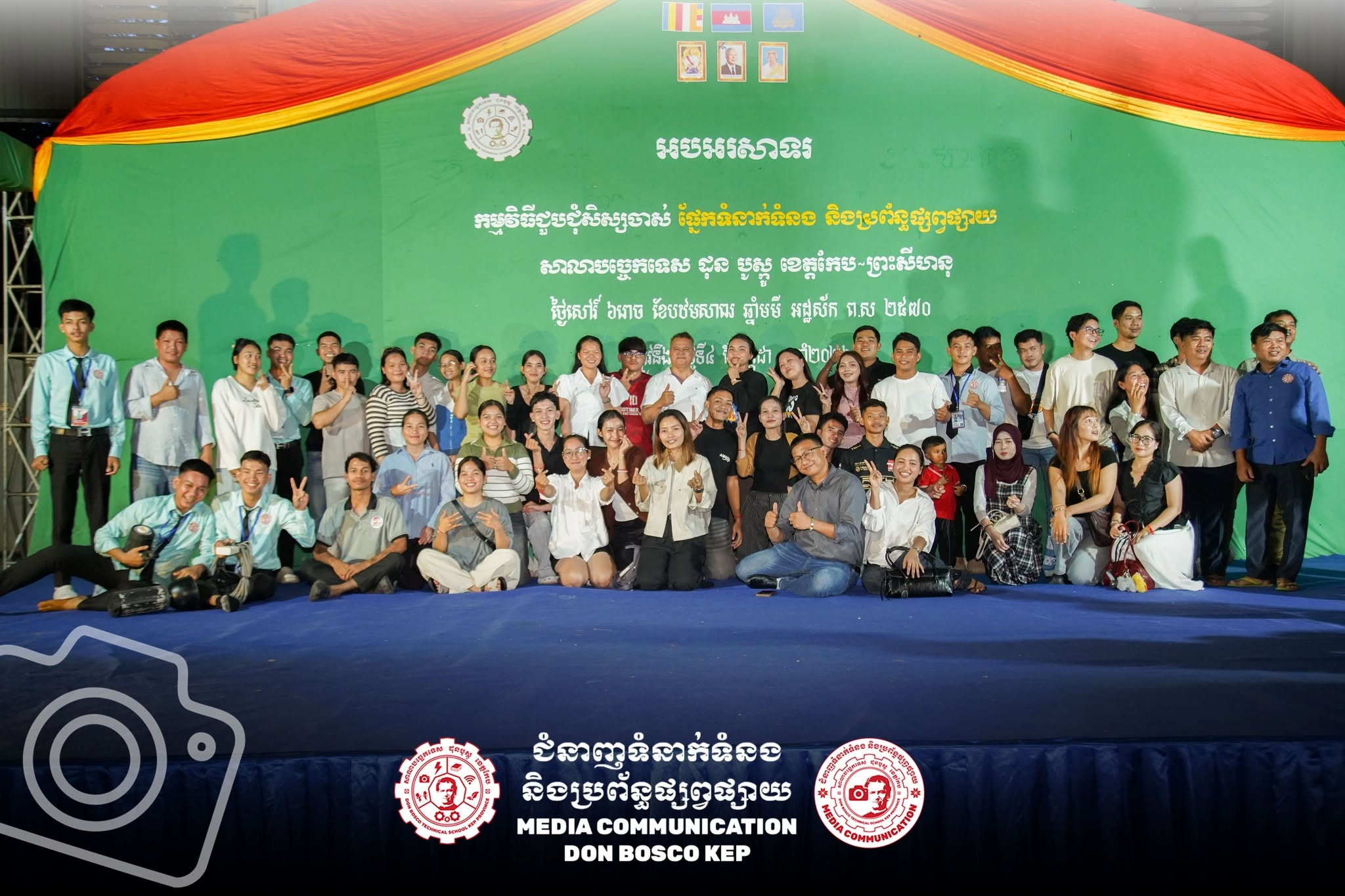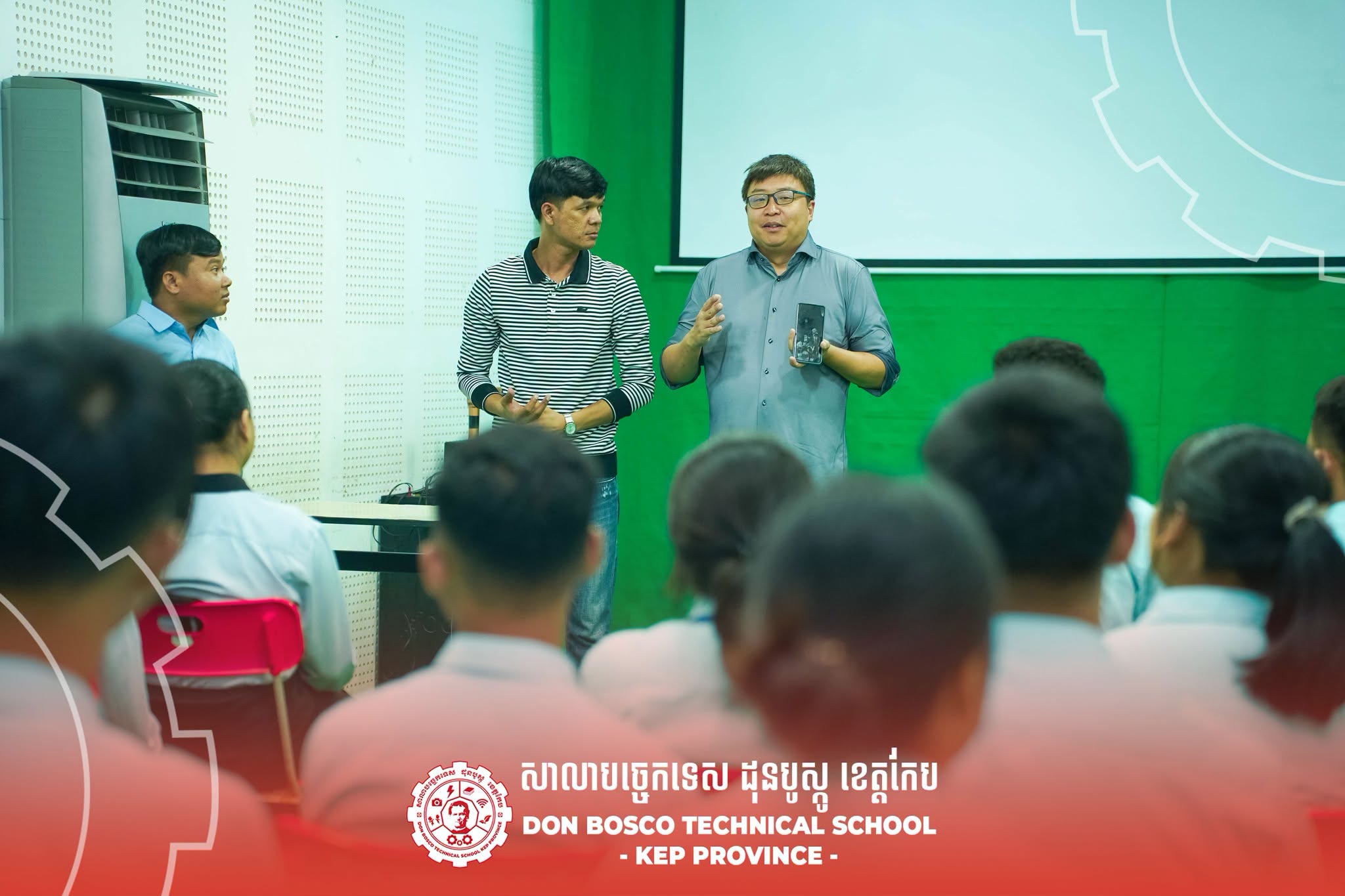
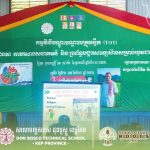
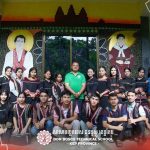
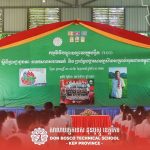
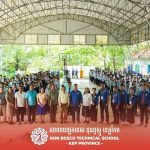
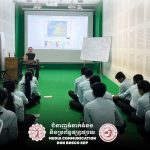
Kep Province, Cambodia — More than 300 students and teachers from Don Bosco Technical School and the Brother Sun Programme for Rural and Indigenous Children and Youth gathered this week for a four‑day training on ancestral wisdom, community building and environmental responsibility.
The event, held from 1–4 December, was organised by the Social Communication Delegation of the Don Bosco Foundation of Cambodia, the Don Bosco Indigenous Past Pupils Association and ROOTS Cambodia. It aimed to strengthen leadership among young people from rural and Indigenous communities, drawing on the Salesian Preventive System, ecological education and the spiritual heritage of Cambodia’s ancestral cultures.
A total of 275 students from departments including electricity, media communication, information technology and secretarial studies, along with 40 teachers, took part. Participants represented Khmer, Jarai and Tampung communities from provinces such as Ratanakiri, Oddar Meanchey, Banteay Meanchey, Battambang, Koh Kong, Phnom Penh, Kampot, Takeo and Kampong Thom.
Reviving ancestral knowledge
The opening day centred on the teachings of a Kru Kmae, a traditional spiritual leader often described as a “Khmer Teacher”. Speaking to students and staff, he emphasised the importance of remembering and safeguarding the rituals, languages and customs of Cambodia’s ancestral communities.
He warned that rapid urbanisation and modern lifestyles risk erasing practices that once shaped communal identity. “If we do not understand a tradition, it can be forgotten,” he told participants. “If we study it, we can save it.”
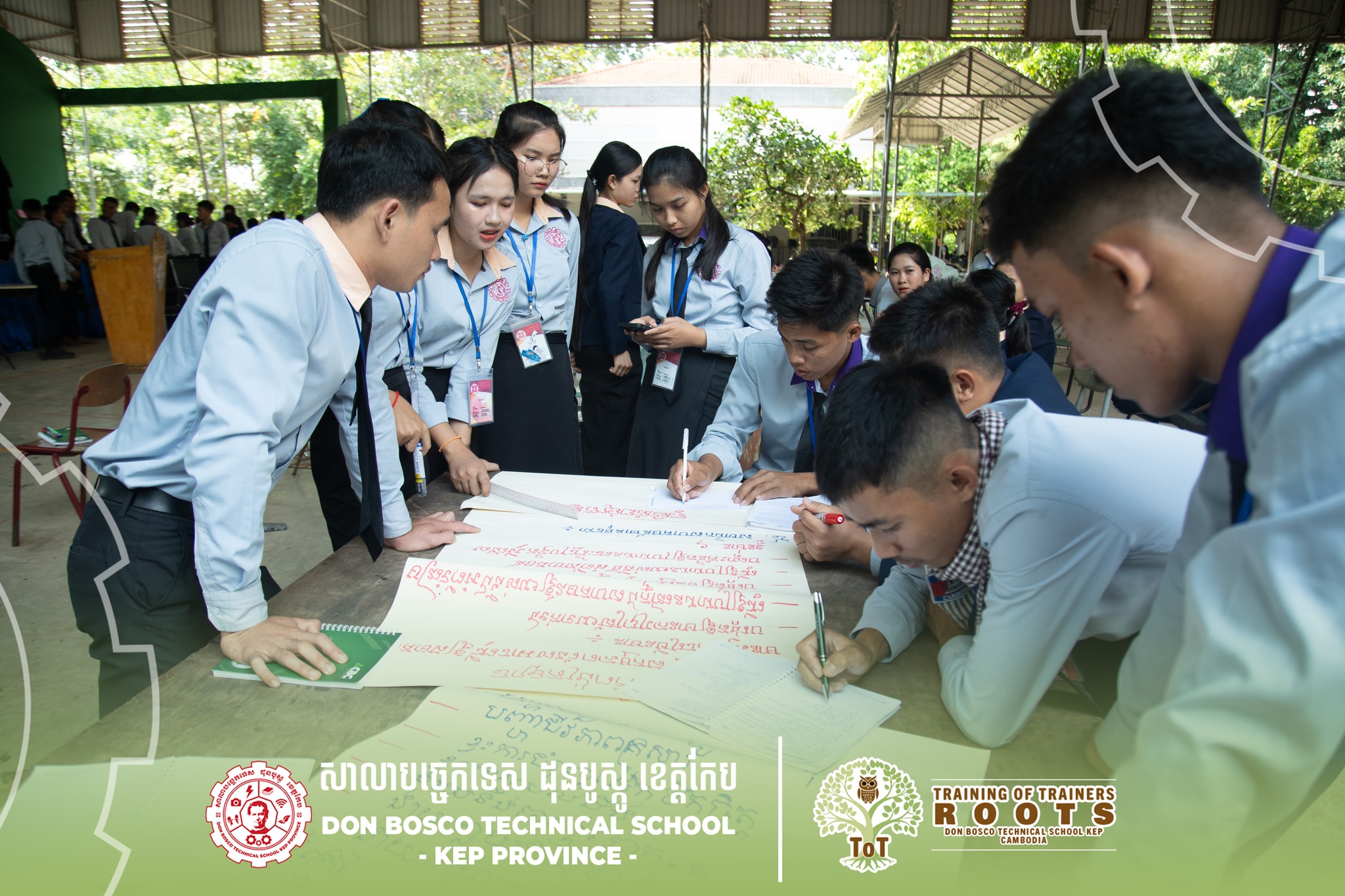
Students and teachers, divided into four “villages”, discussed how Indigenous languages, traditional foods and communal values could be preserved in a changing society. Many highlighted education and community solidarity as essential tools for cultural continuity.
Environmental responsibility and the ‘Common Home’
The second day focused on environmental stewardship, led by Phanith Som of the Don Bosco Green Alliance Cambodia. He outlined the global ecological crisis and the responsibility individuals hold when larger economic actors fail to act.
“It is not only that we care for nature,” he said. “We also belong to nature — and nature takes care of us.”
In a session known as the Circle of the World, students shared reflections on climate change, deforestation and pollution, agreeing that meaningful change begins with personal choices and local action.
Reimagining the Cambodian village
On the third day, Ra Sen, headmaster of Don Bosco Technical School, guided participants through an exploration of the Cambodian village as a social and spiritual unit. He described the village as a place where identity is shaped by clan, ancestry and shared responsibility — a contrast to the anonymity of urban life.
“In the traditional village, every person has a role,” he said. “Authority is not only social but spiritual, and the presence of ancestors and Mother Nature is part of daily life.”
Students identified challenges facing contemporary villages, including cultural assimilation, drug abuse, domestic violence and the erosion of traditional practices.
A Cambodian face of Don Bosco
The final day introduced a culturally rooted interpretation of Don Bosco, presented by Fr Albeiro Rodas, SDB, director of the programme. He described Don Bosco as Meda‑Beida, Kru Kmae and Mith — Father/Mother, Traditional Khmer Teacher and Friend — walking alongside Cambodian youth as they rediscover their ancestral roots and assume responsibility for their communities and environment.
The training concluded on Thursday evening with a traditional Cambodian cultural programme, where students showcased dances, songs and stories from Khmer, Jarai and Tampung traditions.