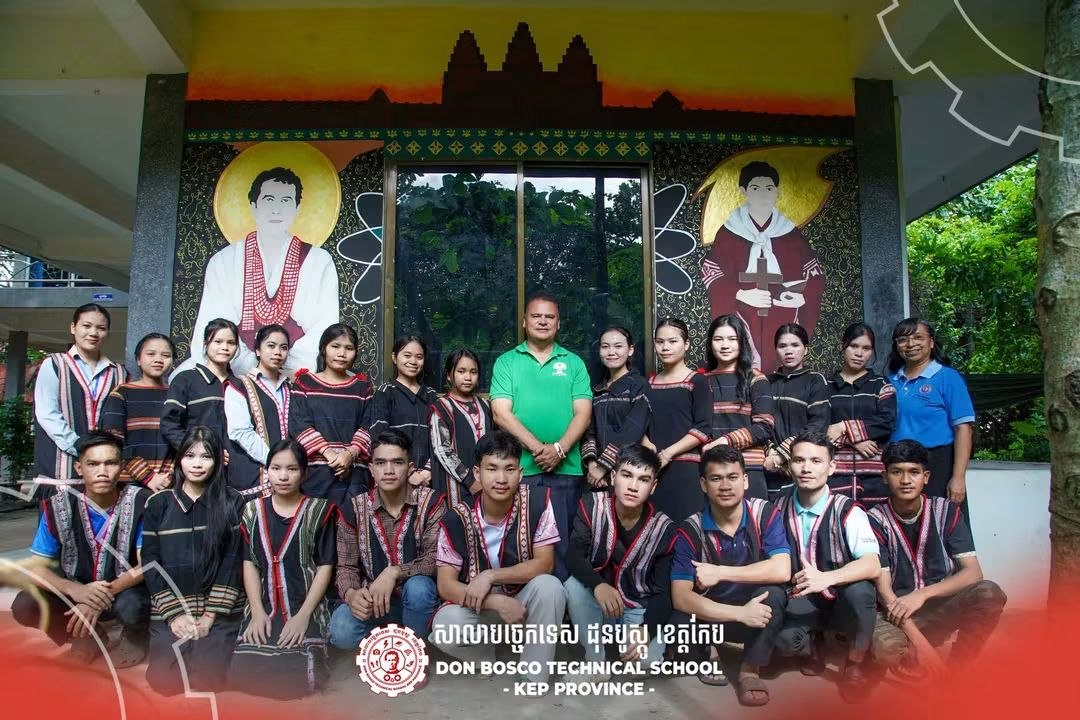
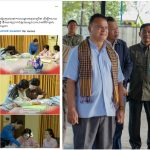

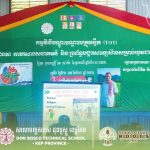
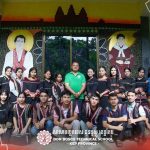
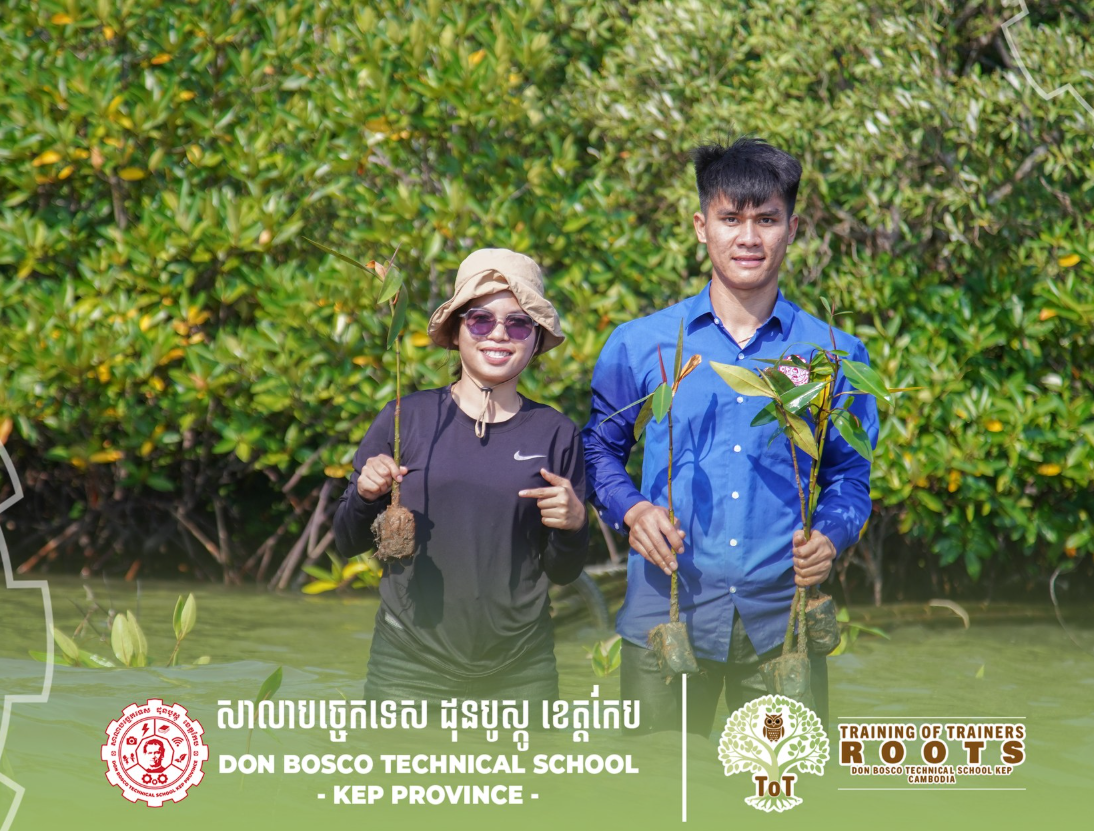
From March 16th to 20th, 2026, 250 students from the Don Bosco Technical School of Kep Province, representing the departments of electricity, secretarial studies, information technology, and media communication, participated in the annual ToT workshop on ancestral wisdom, Mother Earth, community building, and the Don Bosco Preventive System. This workshop was part of the Young Leadership Project and took place at the Don Bosco Kep Jungle-Garden. They represent young people from different Cambodian provinces and also Indigenous groups like Jarai and Tampung from Ratanakiri. The program included a visit to the Kampong Samaki Community Fishery and the Mangrove Biological Learning Center in Kampot, where local communities work to protect mangrove ecosystems and promote self-sustainability.
During the workshop, students reflected on the importance of knowing and preserving the ancestral traditions of Cambodia. They explored the cultural richness of Indigenous groups, the empowerment of women, and the value of community life. A concern emerged: urbanization may negatively impact ancestral traditions. If young people leave their villages to study and work in the cities and never return, what will happen to their cultural heritage?
Through teamwork and dialogue, students concluded that young people must commit to their communities. “If we are the result of centuries of ancestral journeys, then our descendants also have the right to a cultural identity,” one group shared. In the tension between modernity, technology, and a development model that often marginalizes rural and Indigenous life, the students proposed a balanced approach. Technology is also a product of human wisdom. Rejecting it entirely would be unwise. Instead, it should be used to strengthen communities, not weaken them. A village without electricity or internet is not a badge of honor, especially when children need education and access to basic services. The challenge is to find balance: to use technology to improve the lives of families, communities, and society as a whole.
Students also emphasized the environment as an essential part of community life. Caring for nature is not a trend, it is a necessity. Forests, seas, rivers, and mangroves are sources of life, health, joy, and sustenance. The youth called out those who complain about environmental destruction but take no action. “If we see the forest being destroyed and do nothing, we are part of the destruction. If they cut down one tree, we must plant seven,” one student said. Don Bosco Kep, surrounded by trees, is a living example of sustainability. “Some think sustainability means making money, but we know it’s a holistic process, living with and protecting the environment,” they added. The students reaffirmed their commitment to planting 5,000 trees annually, as they have done for the past two years: “If we are 500 students and each of us plants 10 trees in our villages, we will contribute 5,000 new trees to Cambodia’s environment.” Don Bosco Kep is also an active member of the Don Bosco Green Alliance Cambodia, working with the Kep Province Department of Forestry and Environment to protect mangrove areas and the Kep National Park.
The traditional Cambodian village, where everyone is a cousin and descendant of the same families, remains a powerful model of community life. Young people must learn the processes of conflict resolution, dialogue, and mutual respect, especially in recognizing Cambodia’s cultural diversity, including Indigenous minorities and religious communities. “We are an oasis of peace,” the youth declared, “and we invite others, especially the leaders of Thailand, to uphold dignified dialogue, listen to ancestral wisdom, and avoid harm to the poorest and most vulnerable.”
The Kampong Samaki Community Fishery, located in Koun Satv Commune, Tuek Chhou District, Kampot Province, near the western border of Kep and the NR33A, is a model of community-led environmental protection. Don Bosco Kep ToT participants offered a short traditional program of pradal exhibition as a sign of strenght and resilience and the Jarai tradional dance-blessing for nature and the mangrove. “Twenty years ago, the mangroves were vast, a true forest and a source of sustainability. We didn’t see ourselves as poor,” said one elder. “But some began cutting it down, despite our protests.” The journey to protect the mangroves was difficult. “We received threats, but something told us we had to defend our territory. Imagine what it would look like now if we had given in, it would be a desert.” Over two decades, the community organized itself, drawing attention from NGOs and the provincial government, which eventually implemented protective policies through the WEA-FIAC committee.
“You see us as elders now,” said one leader who preferred to remain anonymous, “but it’s the youth’s time. We’re not doing this for money, what does money mean? We just need to be together and work with nature. She gives us everything. But today, many youth think only of money. What we need is goodwill. I encourage you to change your mindset and accept the invitation of the spirit.”