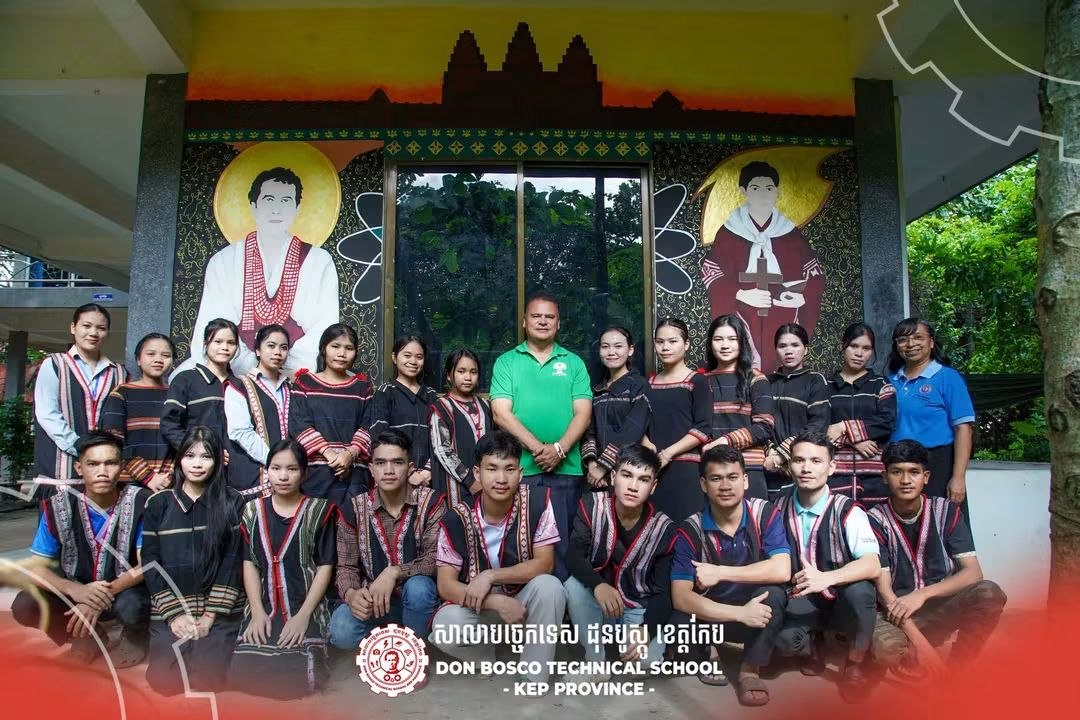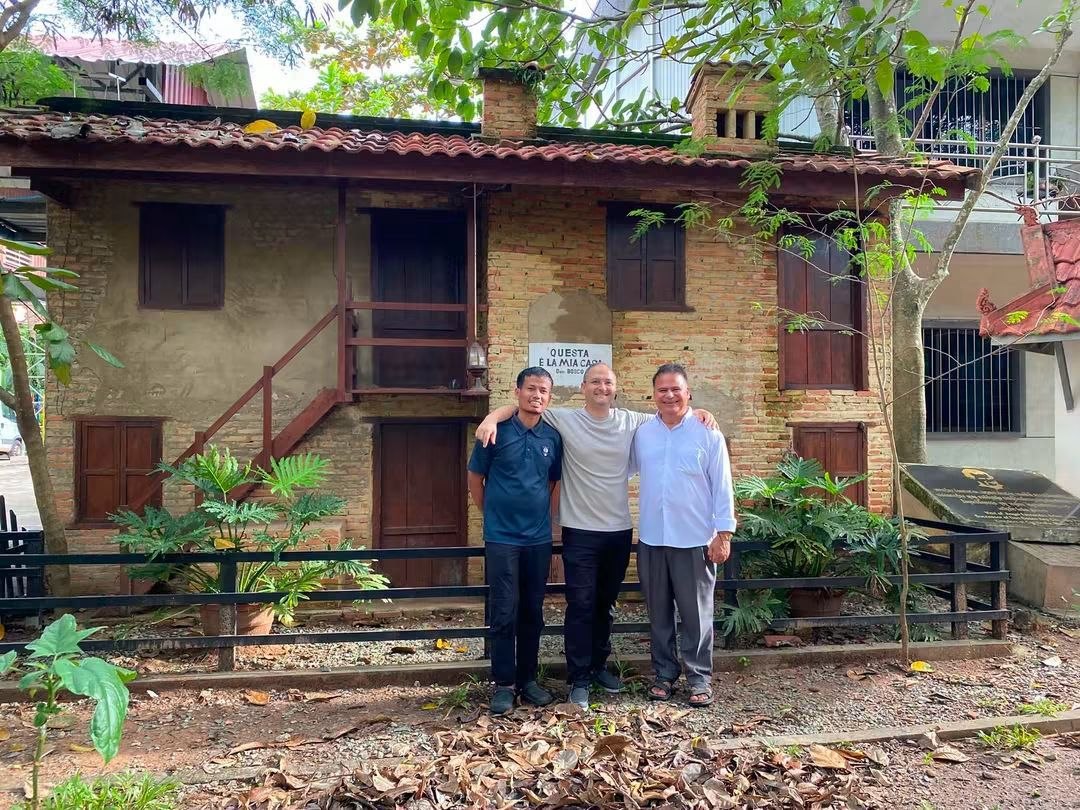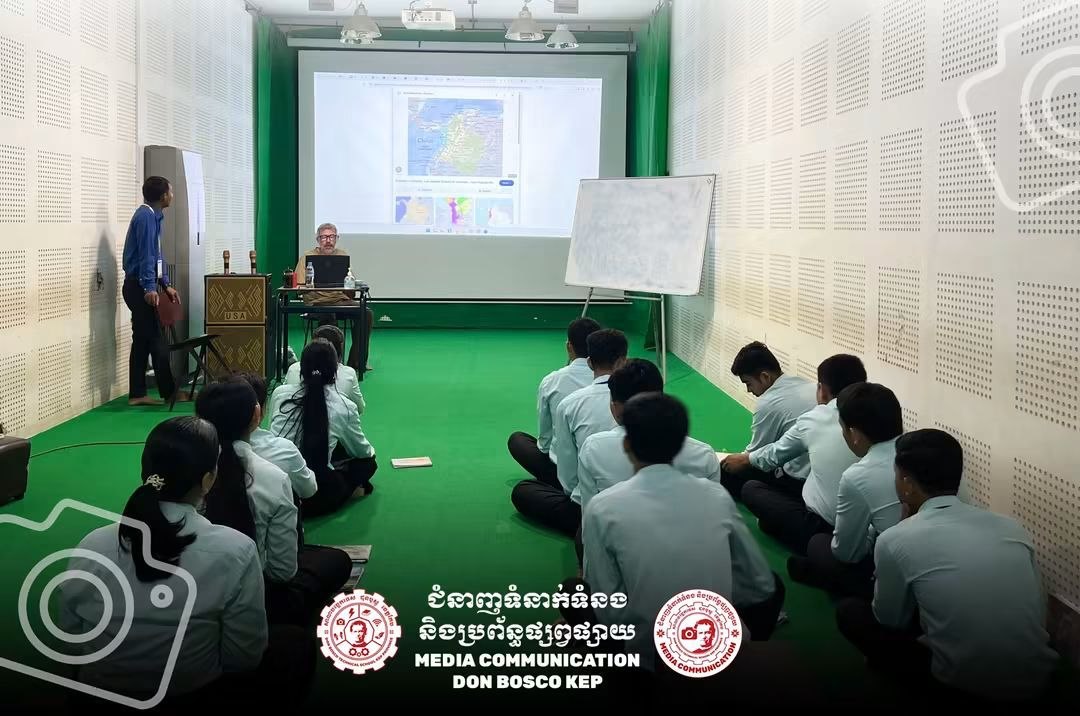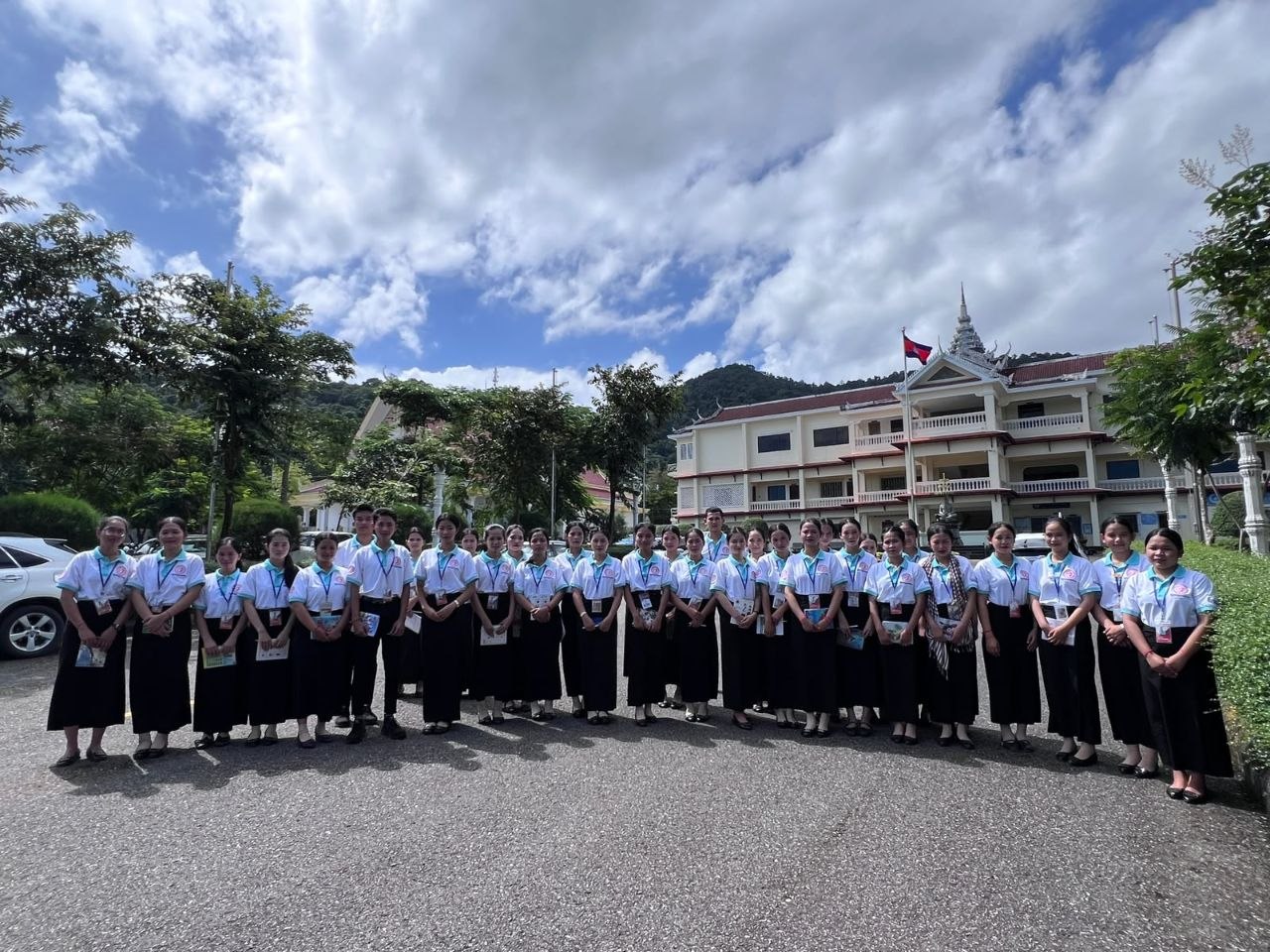
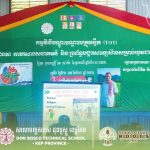
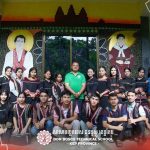
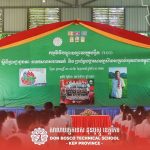
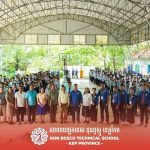
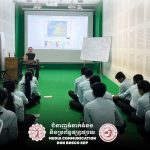
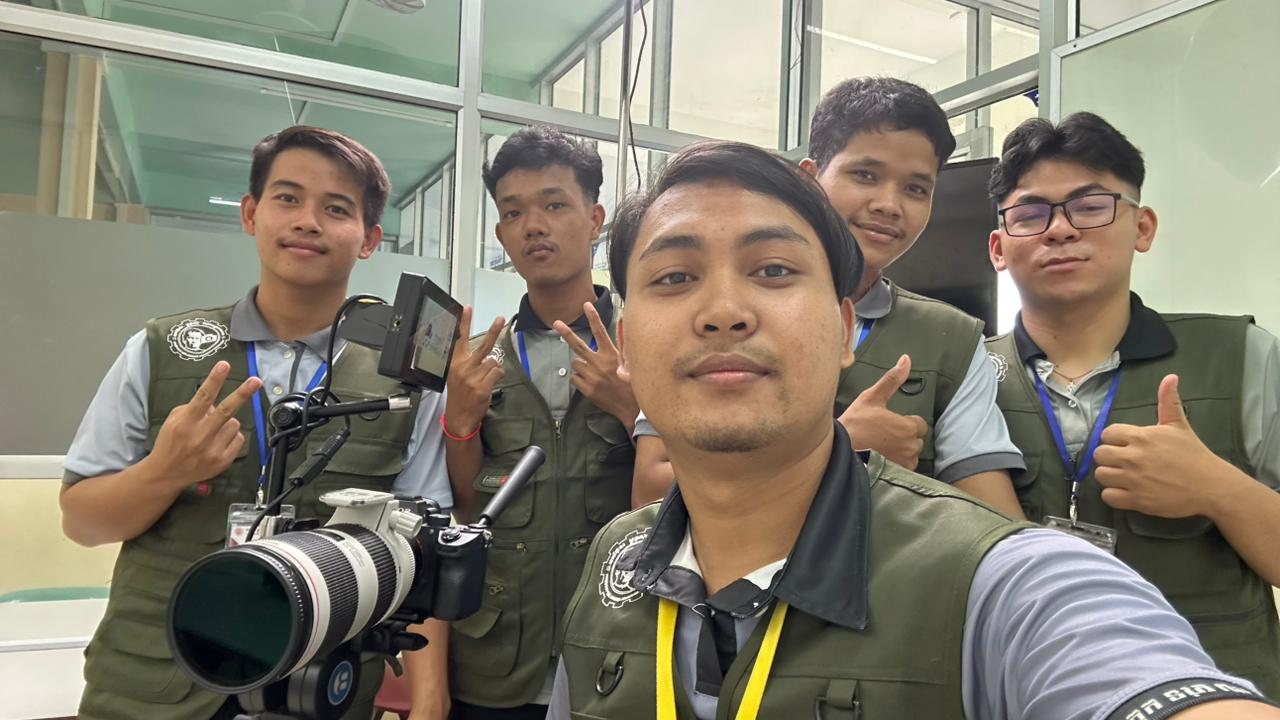
Kep Province, Cambodia – The Don Bosco Kep Technical School’s Media Communication Department, together with the Social Communication Delegation of Cambodia (THA Province), has concluded the second edition of the Namuncurá Short Film Festival, dedicated to Asian Indigenous young people.
The festival showcased works from Cambodia, Timor Leste, India, and Papua New Guinea, reflecting the diversity and resilience of Indigenous cultures across the region.
The winning films were The Three Temples by Cambodian filmmaker Rith Soton, The Weaving of Identity by Dersiana da Cruz of Timor Leste, and Ri Shongkun Shongnia by Indian director Khraw Kupar Kharrsyntiew. Each explored themes of cultural heritage, spiritual resilience, and the challenges faced by Indigenous communities.
Special mentions went to Hope for Madang Lagoon by Dominic Pieng Jnr. of Papua New Guinea and Ceferino Namuncurá – Documentary by Cambodian filmmaker Rochom Lvan. Both works embodied the spirit of hope rooted in ancestral territories.
The festival was supported by ROOTS Asia and the Salesian East Asia–Oceania Region of Social Communication. Organizers said the initiative aims to train Indigenous youth leaders to protect ancestral lands, languages, and traditions.
The event’s mission echoes Pope Francis’ 2025 message to the UN’s Indigenous Peoples Forum, where he stressed that “land, water, and food are not commodities but the foundation of life,” urging respect for Indigenous identity and self-determination.
Continuing this legacy, Pope Leo XIV returned 62 Indigenous artifacts from the Vatican Museums to Canada in 2025, an act described by the United States Conference of Catholic Bishops and Global News as a gesture of reconciliation and recognition of Indigenous heritage.
Earlier Catholic teaching also provides a foundation. Pope Leo XIII’s encyclical Rerum Novarum (1891) emphasized justice, workers’ rights, and the dignity of marginalized groups. Though written in a different era, its principles can be extended to Indigenous struggles today, showing continuity in Catholic social thought.
At the same time, the Salesian Congregation is marking the 150th anniversary of its missions (1875–2025) under the theme “Give Thanks, Rethink, Relaunch.” The commemoration acknowledges past mistakes in relations with Indigenous peoples and commits to renewed dialogue. Media and social networks are seen as vital tools in this rethinking process, enabling intercultural solidarity and amplifying Indigenous voices.
At the heart of this renewal stands Ceferino Namuncurá, a young Mapuche student of Don Bosco, beatified in 2007. Namuncurá is remembered as a bridge between Indigenous identity and Catholic faith. His life, dedicated to defending his people, has become a global symbol of reconciliation, cultural pride, and resilience.
The Namuncurá Festival, the Salesian anniversary, and the Catholic magistery converge on a single message: media and communication are essential for promoting Indigenous identity, protecting territories, and amplifying voices.
Francis and Leo XIV provide contemporary examples of reconciliation and advocacy, while Leo XIII offers a historical framework for justice. The Salesian anniversary calls for renewed evangelization through dialogue, and Namuncurá’s legacy embodies the youthful readiness to defend one’s people.
Together, these threads highlight the role of Indigenous youth and Catholic institutions in shaping a future of dignity, solidarity, and hope.